Back to Blog
What the Microsoft Copilot Studio Application Card Tells Us About Responsible AI

September 29, 2026
•
Responsible AI


AI should not feel like a black box.
Organisations need to understand what an AI tool can do, how it makes decisions, and where people still need to stay in control. Microsoft’s Application Cards and Platform Cards are designed to make that information easier to understand.
The Application Card for Microsoft Copilot Studio explains what the platform is built for, how organisations can use it, and which risks or limits they should consider. It also shows how choices made during setup can affect the way an AI agent behaves.
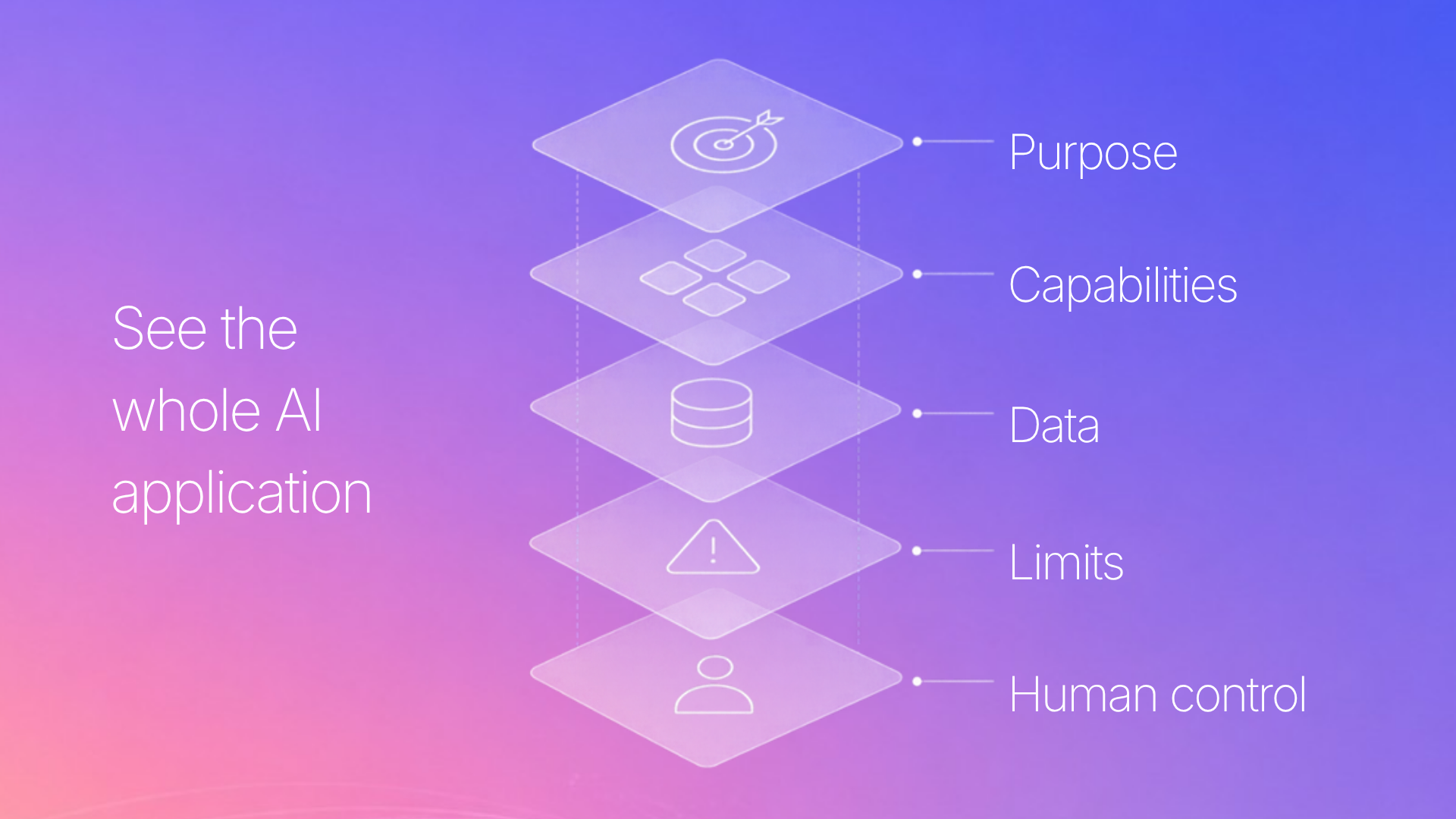
An Application Card explains a specific AI application. A Platform Card explains an AI platform or service. Both describe what the technology can do, what it is meant to be used for, and what users should keep in mind before using it.
These cards are not advertisements and they do not promise that nothing can go wrong. They help owners and users understand how setup choices can influence performance. These choices include the instructions given to the AI, the information it can access, the systems it connects to, its permissions, and when a person needs to step in.
This matters because an AI application is more than the technology behind it.
You also need to look at the people using it and the situation in which it is used. Even a powerful AI agent can give poor results if it uses the wrong information, receives unclear instructions, or is given too much freedom without proper checks.
Application and Platform Cards make these connections easier to see.
Organisations can use them while choosing, building, reviewing, or launching an AI solution. They can also share the cards with employees, customers, or other people who may be affected by that solution.
The Copilot Studio Application Card applies this idea to AI agents built with Microsoft Copilot Studio.
Copilot Studio is a platform for creating AI agents. These agents can answer questions, complete tasks, and help automate business processes. The Application Card explains what the platform is designed to do and what organisations should think about before using it.
One of its main benefits is that people do not always need advanced coding skills to build an agent. Business users can describe what they need in normal language or use low-code tools. Developers can add more complex features and connect other systems when needed.
For example, an agent can answer common customer questions, help employees find information, or start a routine process automatically. This can save time and make services easier to use. The card also reminds organisations that these benefits depend on responsible setup and use.
Copilot Studio is designed for organisations, IT teams, developers, and business professionals who want to use AI without requiring everyone involved to be a technical expert.
It supports both low-code and pro-code approaches. In simple terms, this means a business user can build a basic agent with visual tools and normal language, while a developer can add custom code or connect more complex systems.
An organisation might use Copilot Studio for customer service, employee support, workflow automation, or help with finding and using information. The best setup will depend on the organisation, the users, and the type of task.
Easy to build does not mean safe to use without careful planning.
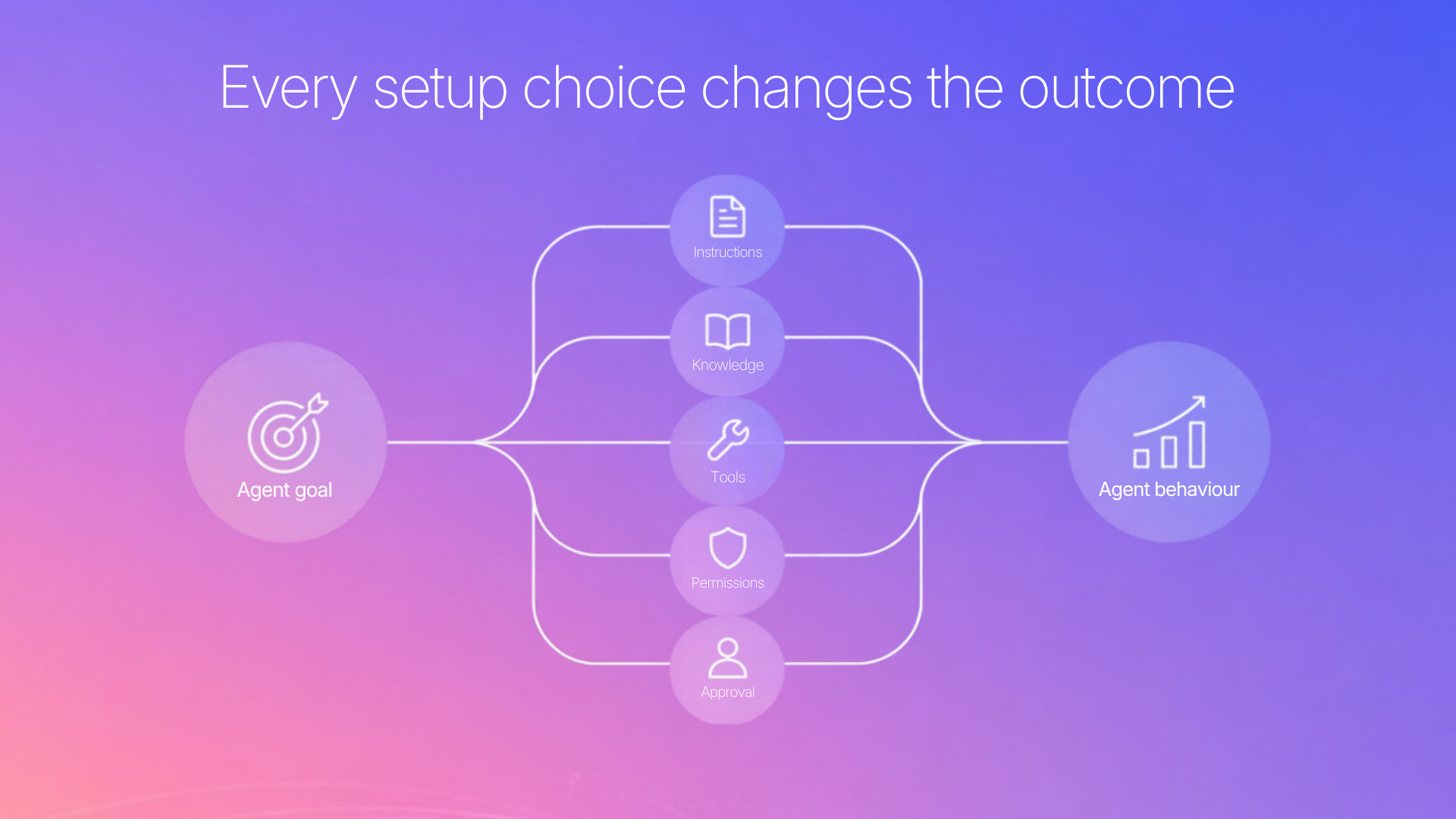
How well an agent works depends on its instructions, the knowledge and data it can use, the tools it can access, and the actions it is allowed to take. The Application Card encourages organisations to review all of these parts, not just the AI model itself.
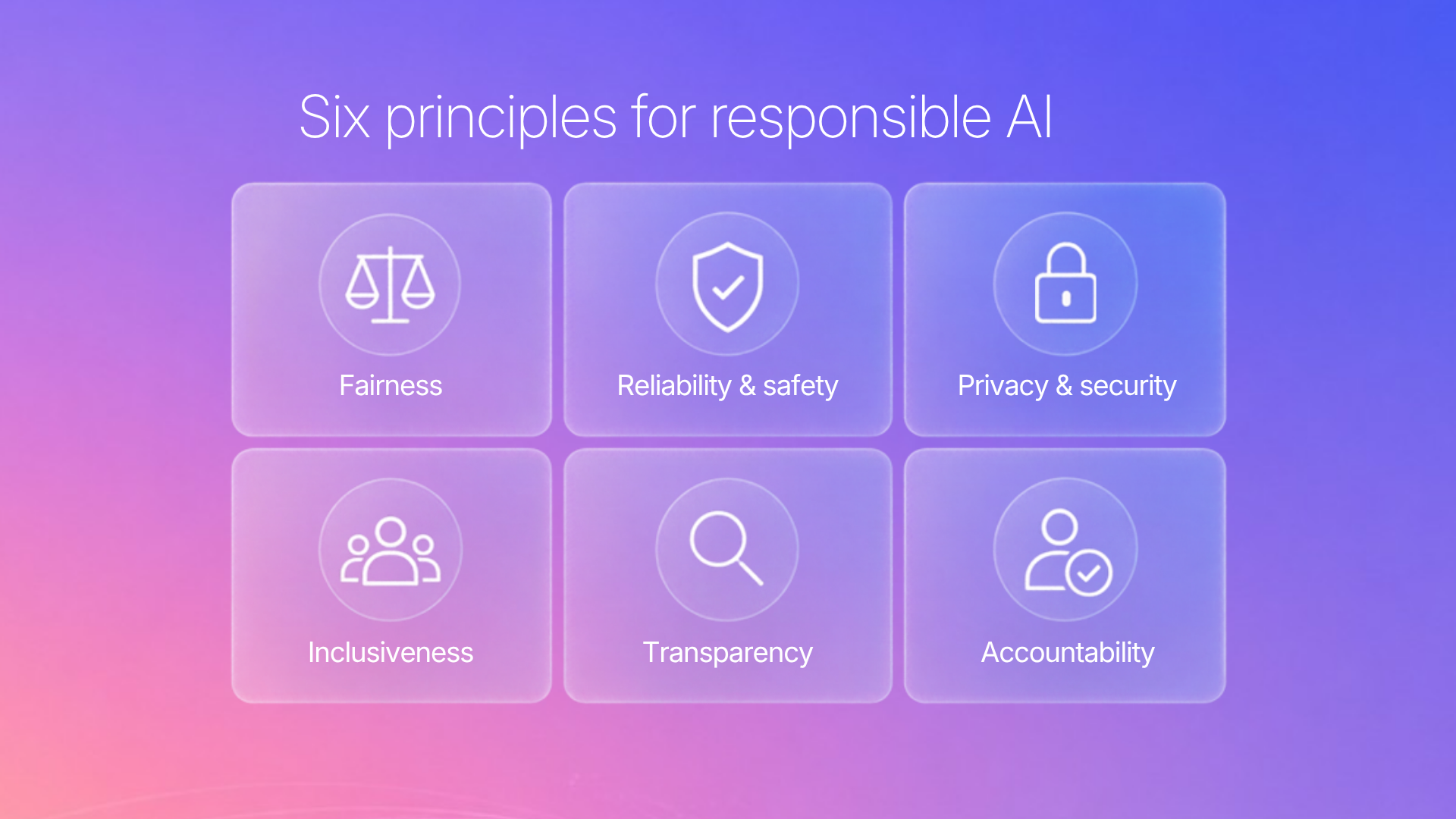
Microsoft uses six responsible AI principles: fairness, reliability and safety, privacy and security, inclusiveness, transparency, and accountability. In everyday language, AI should treat people fairly, work safely, protect information, be usable by different people, be understandable, and have clear human ownership.
Application and Platform Cards make these principles more practical. They explain what an AI system is designed to do, how it may behave, and where its limits or risks may be.
For Copilot Studio, this means making careful choices about who can use an agent, which information it can access, which systems it can connect to, and which actions still need human approval. The key question is not only “Can the agent do this?” but also “Should the agent do this?”
The card is a helpful starting point, but it does not replace an organisation’s own rules and checks. Organisations are still responsible for using Copilot Studio safely, legally, and in line with Microsoft’s AI rules for responsible AI use.
The people responsible for an agent shape how it works. They decide its purpose, choose the information it can use, connect tools, set permissions, and decide when a person must approve an action. A good design starts with clear objectives: what problem should the agent solve, who will use it, and what should it never do?
People also need to know when they are dealing with AI and who is responsible if something goes wrong. Teams should regularly check whether the agent works as expected. Clear ownership and regular checks help build trust.
The Application Card does not prove that every Copilot Studio agent will be safe, fair, or effective. Instead, it gives teams a clear starting point for discussing what the agent should do, what could go wrong, which safeguards are needed, and who is responsible.
The card is useful for more than technical teams. Business leaders can use it to ask better questions, governance teams can use it during reviews, and employees or customers can use it to understand how the AI may affect them.
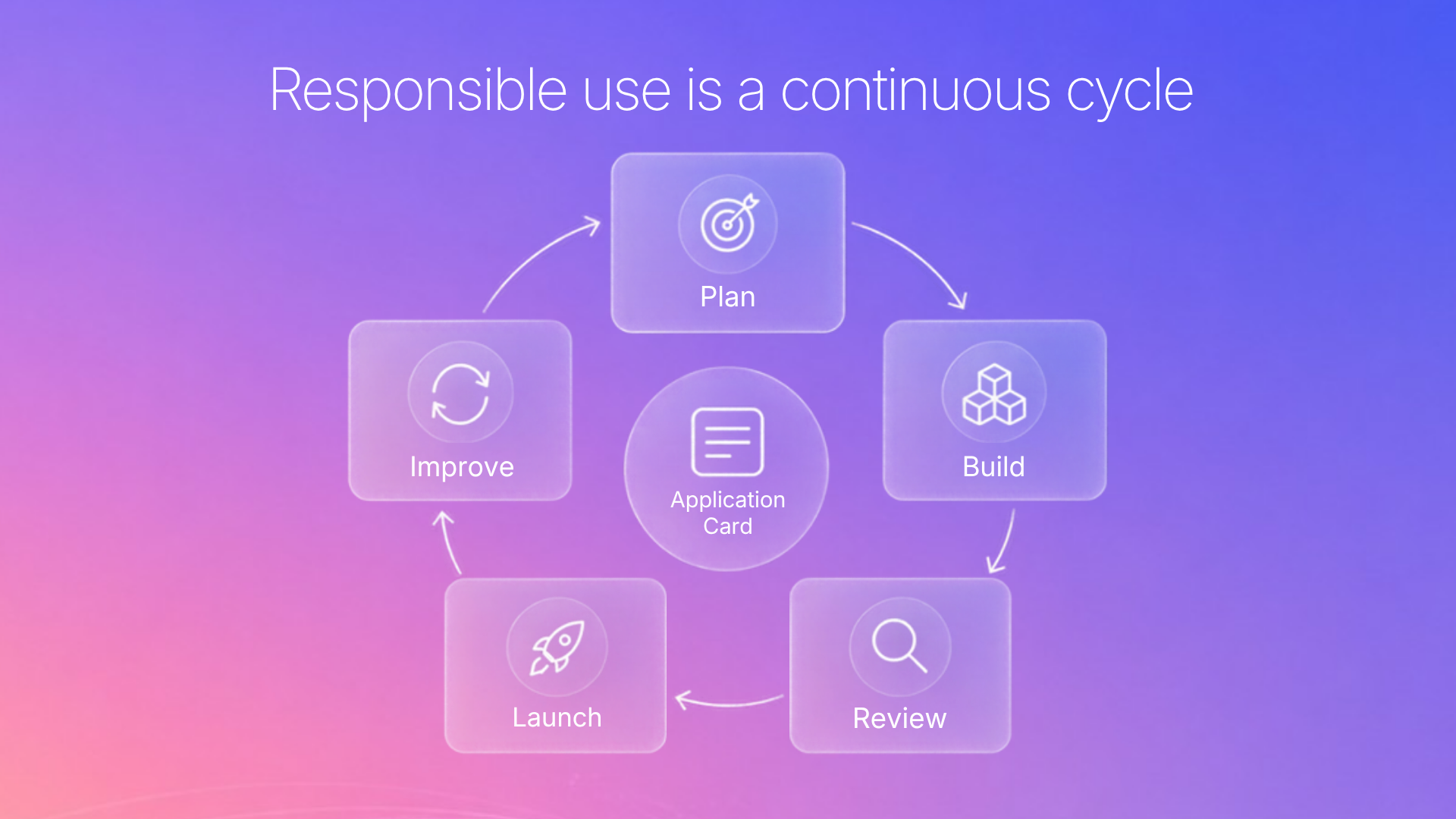
The work does not stop after launch. Teams should check the agent’s results, listen to feedback, and change the setup when problems appear. Transparency only has value when it leads to better decisions.
The Copilot Studio Application Card is therefore more than a technical document. It helps organisations ask the right questions before they build, launch, or expand an AI agent.
The future of AI at work is not only about smarter technology. It is about creating tools that help people work better while keeping people involved in important decisions.
People bring judgement, experience, and responsibility.
AI can bring speed, scale, and consistency.
When these strengths work together, organisations can improve more than individual tasks. They can improve complete ways of working.
That is the promise of AI agents. Microsoft Copilot Studio makes these agents easier to build, while its Application Card helps organisations understand how to use them responsibly.
The goal is not simply to create a better chatbot.
The goal is to create useful AI support that fits the way people actually work. Doing that well requires a clear purpose, the right safeguards, and careful choices about when people stay in control. Digital Bricks helps organisations bring these pieces together and turn Copilot Studio ideas into practical, responsible solutions.


Unlock exclusive insights and stay ahead in the digital world. No spam, only useful content.