Back to Blog
AI Business Transformation Is Not About Working Faster

October 13, 2026
•
AI Adoption


AI business transformation is no longer a future concept. It is already reshaping how organisations work, make decisions and create value.
A few years ago, most AI conversations sounded like science fiction. Today, they sound like Monday morning: meeting summaries, sales briefings, customer insights, workflow automation and faster decision-making. The first wave of workplace AI focused on personal productivity: faster writing, better summaries and less time staring at a blank page wondering how to start.
Useful? Absolutely. Transformational? Not quite.
What is happening now is much bigger. AI is moving from productivity support to business transformation, acting more like a digital teammate that can analyse information, complete tasks, coordinate activities and help move work forward. That shift changes the conversation entirely. Instead of asking, "How can AI help me write this report?" organisations are beginning to ask, "Why does this report require so much manual work in the first place?"
That's where the real opportunity begins.
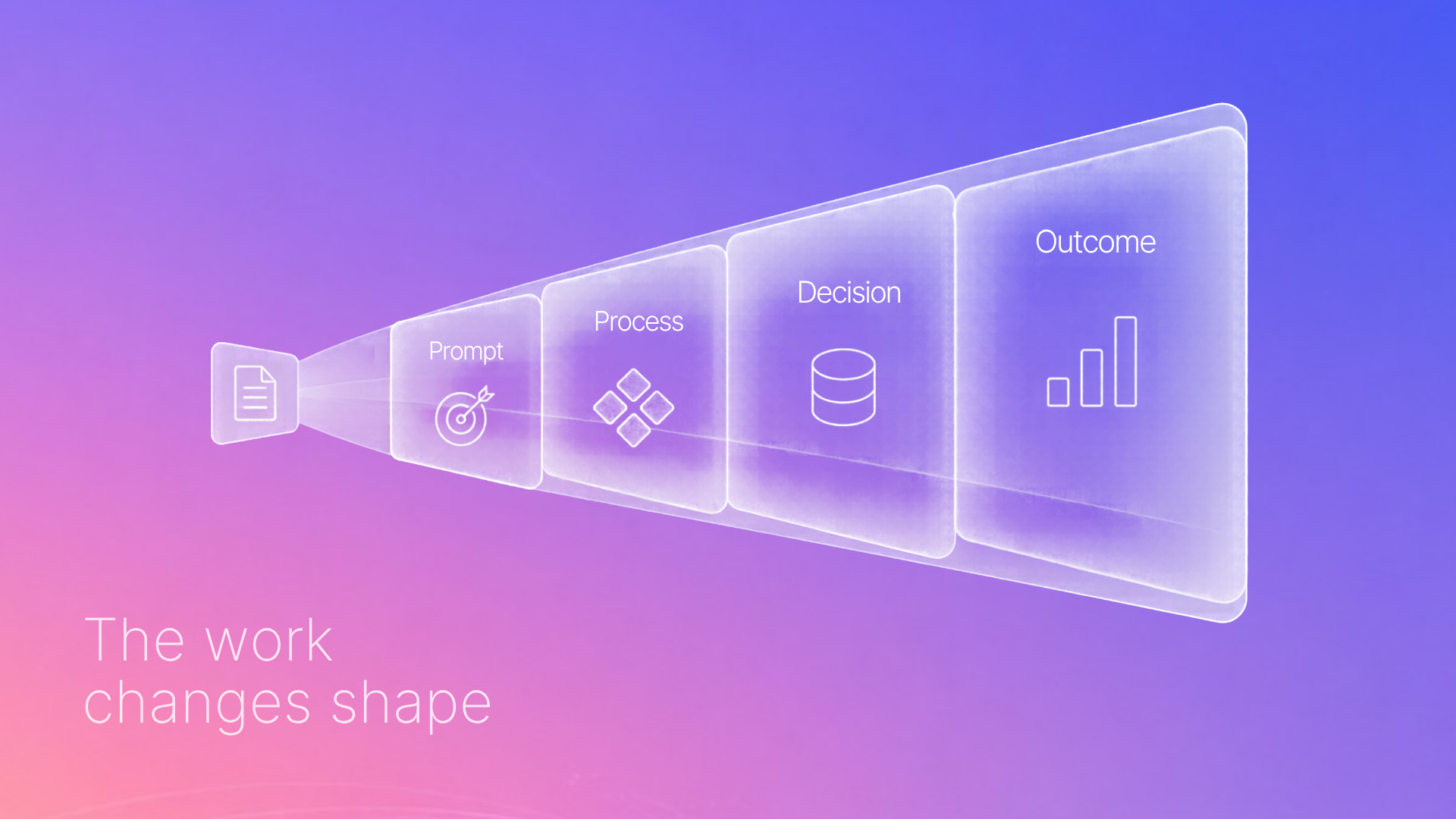
The easiest way to understand the next phase of AI is to compare it with the calculator. When calculators first appeared in offices, people didn't reinvent finance departments. They simply calculated numbers faster. Eventually, businesses redesigned processes around the fact that calculations were no longer the bottleneck. We're seeing the same pattern unfold with AI.
Many organisations have already experimented with tools such as Microsoft Copilot. Employees generate meeting summaries, draft emails and create first versions of presentations in seconds. Those use cases matter. Saving an hour a day across hundreds or thousands of employees creates significant value. But the bigger prize sits beyond individual productivity. Imagine a sales team preparing for customer meetings. Traditionally, a salesperson spends time gathering account history, reviewing previous conversations, checking open opportunities, researching industry changes and assembling notes. AI can certainly help summarise that information faster. But increasingly, AI can prepare the entire briefing automatically. It can analyse customer data, identify risks, highlight opportunities and present recommendations before the salesperson even starts their day. The human remains essential. The preparation becomes largely automated. That is the difference between AI as a productivity tool and AI business transformation: the human remains essential, while the preparation and repetitive work become largely automated.
For years, technology vendors talked about "digital assistants". The word assistant is interesting because it implies waiting for instructions. Today's AI is becoming more proactive.
Think about a colleague who notices problems before they happen. Someone who reminds you about deadlines, gathers information without being asked and follows up on actions while you're working on something else. That's the direction modern AI is heading. This shift is happening because organisations are connecting AI to business systems, workflows and knowledge, turning isolated prompts into connected enterprise AI adoption.
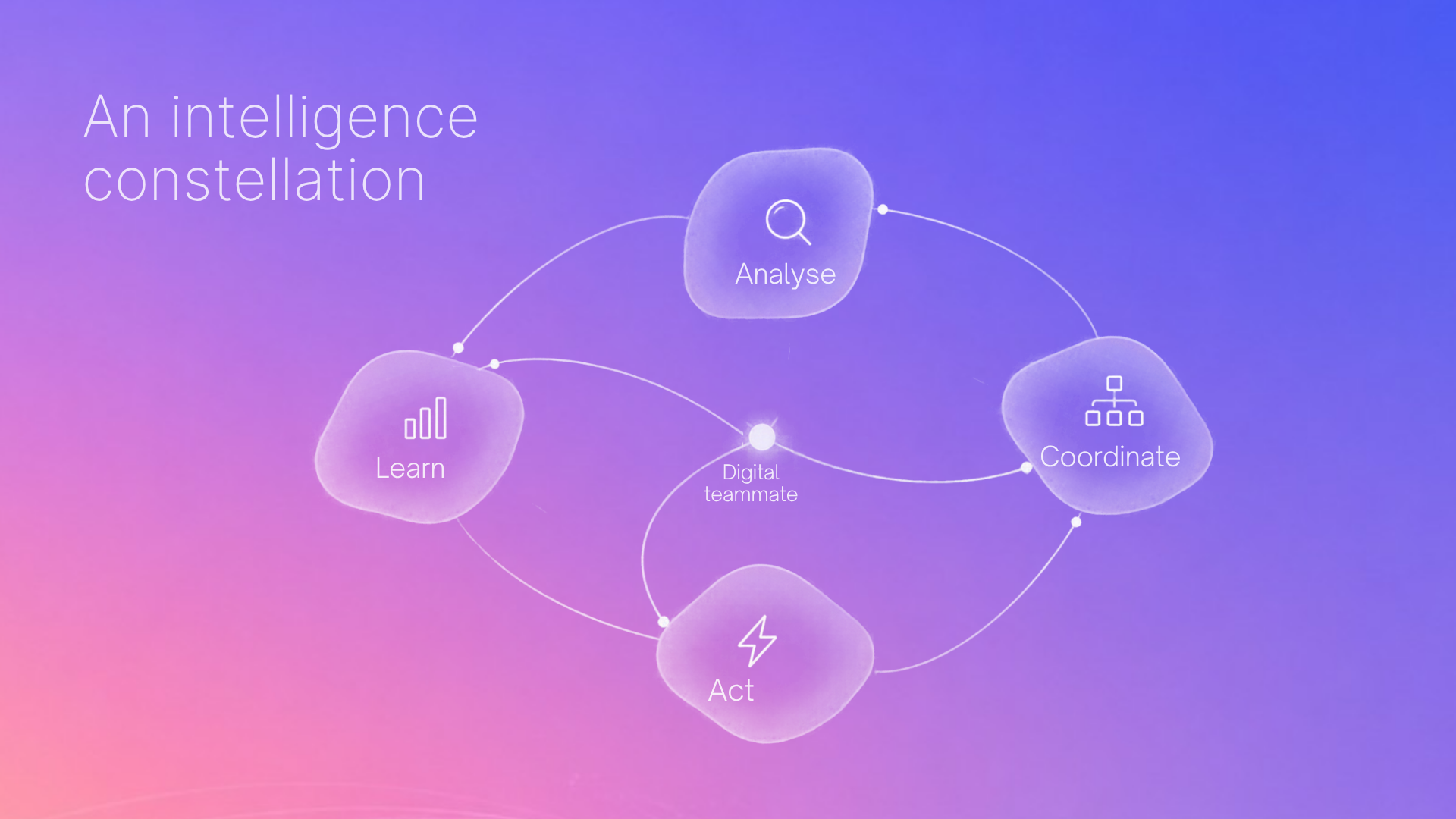
A procurement team could have AI monitor supplier contracts and flag renewal dates. A customer service department could automatically identify recurring complaints before they become larger issues. An HR team could surface emerging skills gaps long before recruitment becomes urgent. The common theme is simple: AI isn't just answering questions anymore. It's helping manage outcomes. And unlike Dave from accounting, it never complains about having too many tabs open.
One of the biggest mistakes organisations make is treating AI like another software deployment. They buy licences. They run a few training sessions. They send a launch email. Then they wonder why adoption stalls.
Technology alone rarely creates transformation. Consider what happened when organisations adopted cloud computing. Success didn't come from moving servers to a different location. It came from redesigning how technology was managed, delivered and consumed. AI requires a similar mindset.
The question isn't whether employees have access to AI. The question is whether they know how to apply it to meaningful business challenges. There is a world of difference between using AI to rewrite an email and using AI to streamline an entire customer onboarding process. The second approach generates lasting value. The first simply creates slightly better email etiquette.
Much of the AI discussion still feels disconnected from everyday work. Let's make it practical.
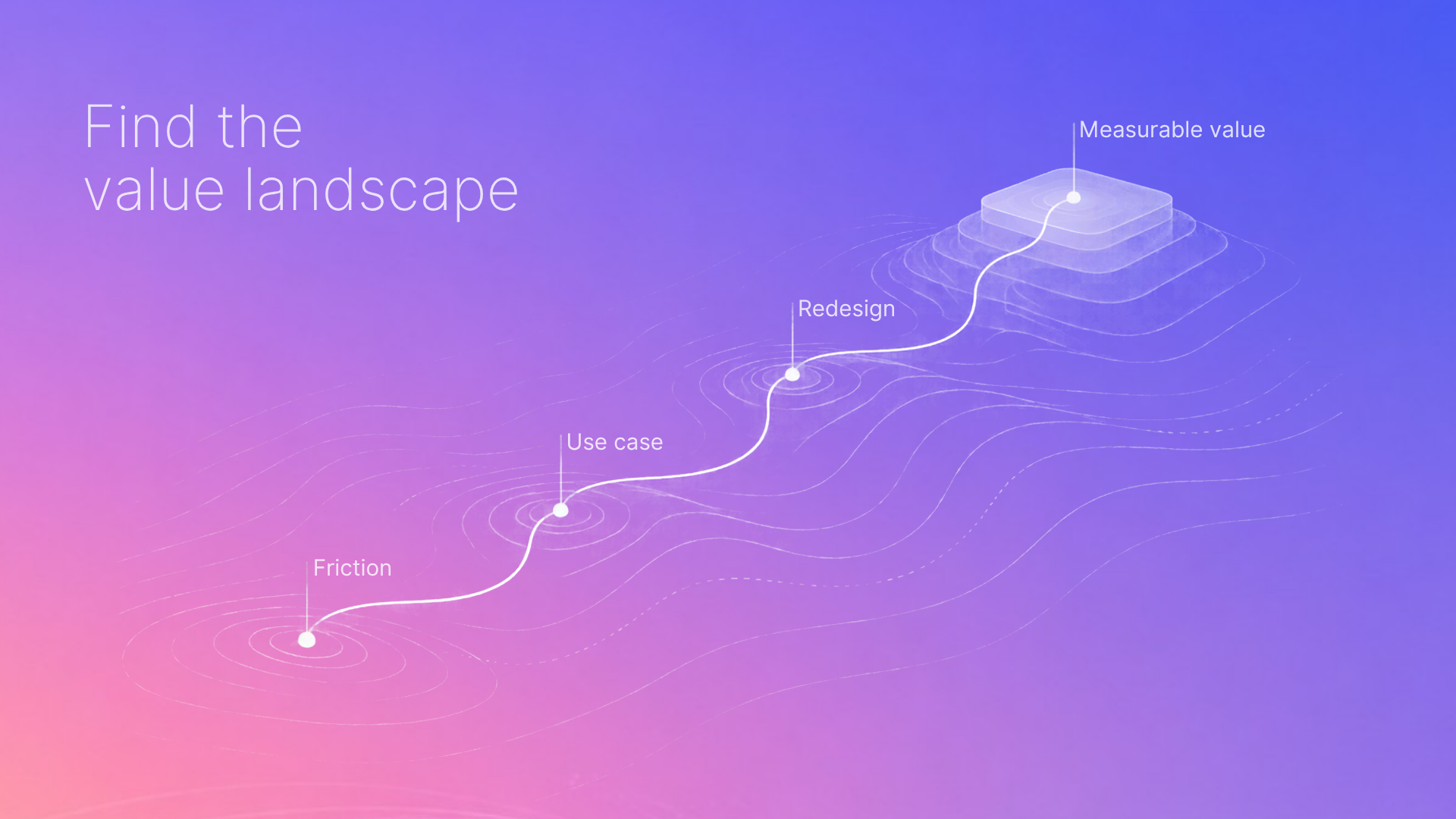
In practice, this often starts by looking beyond the tool itself: identifying where AI can remove friction from everyday work and translating that opportunity into a focused, measurable use case. Imagine you're responsible for organising a monthly leadership meeting. Historically, you gather updates from multiple departments, chase stakeholders, compile slides, summarise reports and spend hours preparing. An AI-enabled process could collect those updates automatically, identify trends, create an executive summary and generate presentation materials before you even begin reviewing them. Or take a facilities manager responsible for office equipment. Instead of manually tracking service requests, procurement records and replacement schedules, AI could monitor everything continuously and recommend actions when equipment approaches end-of-life or recurring issues emerge.
Customer service offers another relatable example. A service agent handling a difficult customer case often spends significant time searching emails, previous interactions, knowledge articles and internal documentation. AI can surface relevant information instantly, suggest responses and identify likely solutions based on previous cases. The customer gets a better experience. The employee spends less time searching and more time solving. Everyone wins. Well, except perhaps the browser tab count.
Whenever conversations about AI become enthusiastic, governance eventually arrives to restore balance. That's actually a good thing. The biggest barrier to enterprise AI adoption is not usually the technology itself. It is trust. Can employees rely on the output? Is company data protected? Are decisions transparent? Who remains accountable when AI is involved? These questions matter enormously.
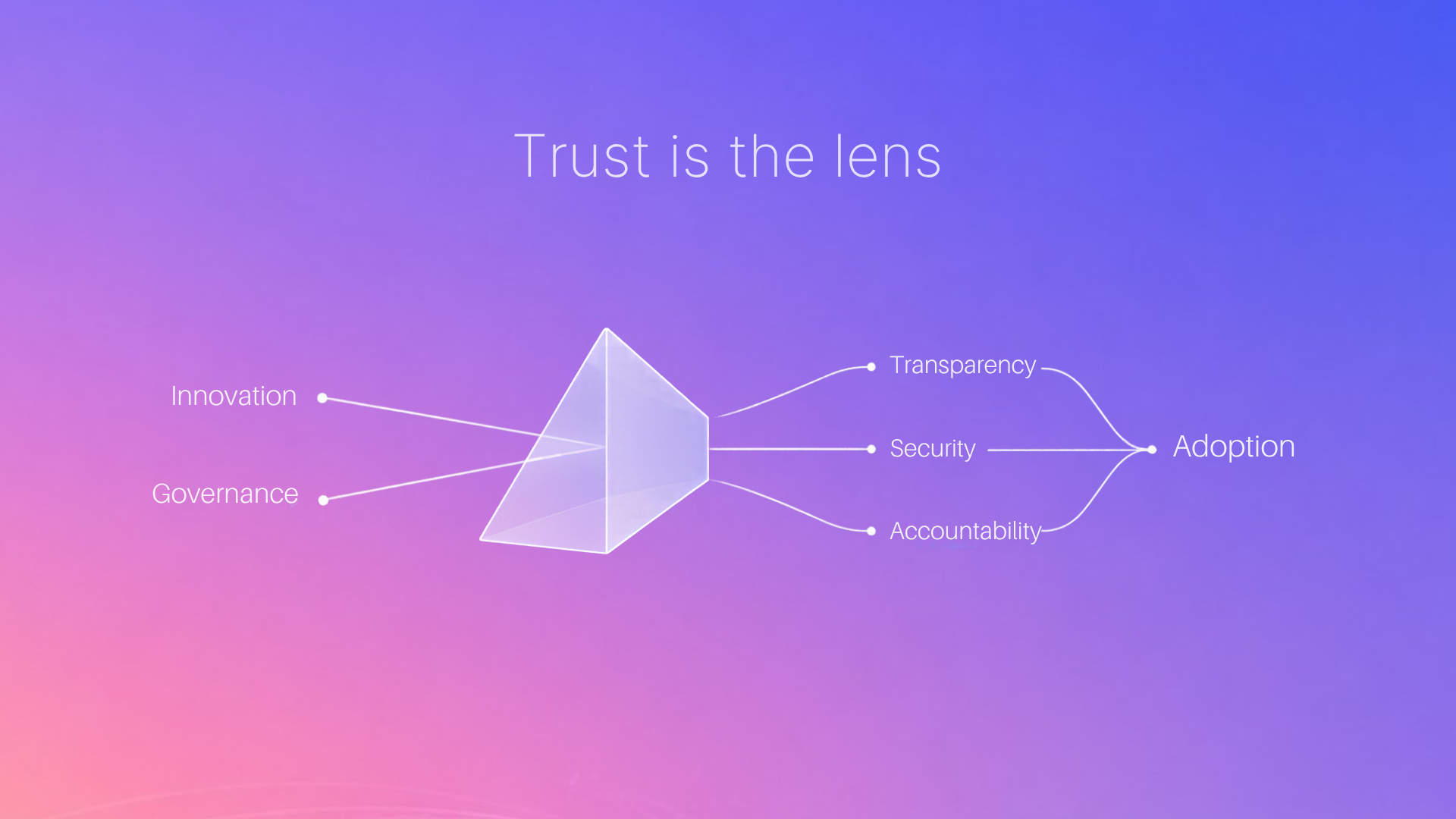
Guidance from the NIST AI Risk Management Framework, the NIST Generative AI Profile, the European Commission regulatory framework for AI and the OECD AI Principles shows why AI governance, transparency and accountability are now critical parts of sustainable AI adoption. The most successful organisations aren't choosing between innovation and governance. They're pursuing both simultaneously.
At Digital Bricks, we often see organisations move faster once clear governance exists. People become more confident experimenting with AI when they understand the boundaries, responsibilities and safeguards. Trust accelerates adoption. Confusion slows it down. It's surprisingly simple.
Another change is beginning to emerge.
Historically, software costs were relatively predictable. You bought licences. You allocated budgets. Everyone moved on.
AI introduces a different dynamic. Many advanced AI capabilities operate on consumption models where usage influences cost. That sounds technical, but the practical implication is straightforward. Leaders must understand not just whether AI is creating value, but where, how and for whom. If a team is using AI heavily but generating measurable business outcomes, that investment makes sense. If usage is increasing without producing meaningful results, questions need to be asked.
This has given rise to a growing discipline often referred to as FinOps for AI, bringing together financial management, operations and technology governance.
It might not be the most exciting dinner party conversation.
Then again, neither was cloud governance, and look how important that became.
For business leaders, the temptation is to focus on technology selection.
Which platform? Which model? Which tool? Those questions matter.
But they aren't the starting point. The more important questions are:
• Which business processes create the most friction?
• Where do employees spend excessive time on repetitive work?
• Which decisions require large amounts of information gathering?
• Where are customers experiencing delays?
Once those opportunities become clear, AI solutions often become easier to identify. The organisations creating the most value from AI aren't necessarily the ones with the biggest budgets. They're the ones connecting technology to real business outcomes.
We're entering a period where AI becomes increasingly embedded in everyday work. Not as a novelty. Not as an experiment. Not as the thing someone uses to generate funny images on a Friday afternoon. Instead, AI is becoming part of how organisations operate.
The winners won't necessarily be those who deploy AI first. They will be the organisations that combine possibility, governance and adoption effectively enough to create lasting business value. That's where the conversation is moving across industries. From productivity to transformation. From assistance to delegation. From isolated use cases to connected business processes. The technology is advancing rapidly, but the fundamental question remains refreshingly human:
How do we help people spend less time on repetitive work and more time creating value? Every organisation will answer that differently.
What's becoming clear, however, is that AI is no longer waiting on the sidelines. It's already joined the team.
The only remaining question is whether your organisation is giving AI meaningful work to do.
For leaders, the next step is practical: identify one high-friction process, define the business outcome you want to improve, put the right governance in place and use AI to redesign the work around measurable value. If finding that first opportunity is the difficult part, Digital Bricks can help turn it into a practical next step.


Unlock exclusive insights and stay ahead in the digital world. No spam, only useful content.